Clean Skincare Ingredients to Avoid in 2026 (And What to Use Instead)
March 17, 2026 2026-03-17 22:26Clean Skincare Ingredients to Avoid in 2026 (And What to Use Instead)

Clean Skincare Ingredients to Avoid in 2026 (And What to Use Instead)
The skincare industry in 2026 is more advanced—and more transparent—than ever before. Consumers are no longer blindly trusting labels; instead, they are actively researching ingredients and choosing products that are safe, effective, and environmentally responsible.
With the rise of clean beauty and sustainable skincare, understanding which ingredients to avoid has become essential for maintaining both healthy skin and a healthier planet.
In this guide, we’ll break down the top skincare ingredients to avoid in 2026, why they matter, and what better alternatives you should look for.
What Does “Clean Skincare” Really Mean?
Clean skincare refers to products formulated without harmful or questionable ingredients, focusing instead on skin-safe, non-toxic, and environmentally friendly components.
However, clean beauty is not just about avoiding certain chemicals—it’s about choosing ingredients that:
- Support long-term skin health
- Minimize irritation and sensitivity
- Are ethically sourced
- Have a lower environmental impact
In 2026, clean skincare is all about balance—science-backed ingredients combined with mindful formulation.
Why Ingredient Awareness Matters
Your skin absorbs a portion of what you apply to it. While not everything penetrates deeply, repeated exposure to harsh or irritating ingredients can:
- Disrupt the skin barrier
- Cause dryness and sensitivity
- Trigger breakouts or inflammation
- Contribute to long-term skin damage
Additionally, some ingredients negatively affect the environment, especially when washed into water systems.
Being ingredient-conscious helps you make smarter skincare decisions for both your skin and the ecosystem.
Top Skincare Ingredients to Avoid in 2026
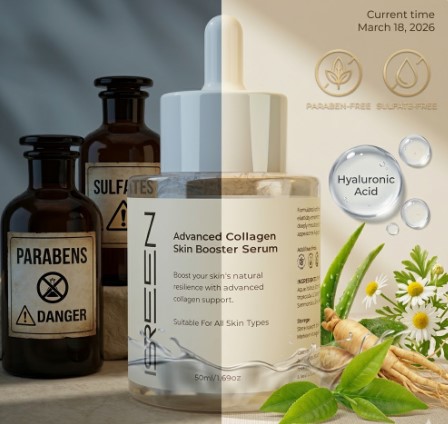
1. Parabens
Why to avoid:
Parabens are commonly used as preservatives but have raised concerns due to their potential to disrupt hormones.
Look for instead:
- Natural or safer preservatives
- Antioxidant-rich formulations
Modern skincare brands are moving toward gentler preservation systems that maintain product safety without compromising skin health.
2. Sulfates (SLS & SLES)
Why to avoid:
Sulfates are harsh cleansing agents that can strip the skin of its natural oils, leading to:
- Dryness
- Irritation
- Weak skin barrier
Look for instead:
- Gentle, sulfate-free cleansers
- Plant-based surfactants
3. Artificial Fragrances
Why to avoid:
Synthetic fragrances are one of the most common causes of skin irritation and allergic reactions.
They often contain undisclosed chemical blends that can trigger:
- Redness
- Sensitivity
- Breakouts
Look for instead:
- Fragrance-free products
- Naturally derived mild scents
4. Phthalates
Why to avoid:
Phthalates are used to enhance fragrance longevity but are associated with hormonal disruption.
Look for instead:
- Phthalate-free formulations
- Transparent ingredient labeling
5. Formaldehyde-Releasing Preservatives
Why to avoid:
These preservatives release small amounts of formaldehyde over time, which can irritate the skin and may pose health risks.
Look for instead:
- Modern, non-toxic preservation systems
- Clean-label skincare products
6. Alcohol (High Concentration)
Why to avoid:
While some alcohols are beneficial, high concentrations of drying alcohol can:
- Strip moisture
- Damage the skin barrier
- Increase sensitivity
Look for instead:
- Hydrating ingredients
- Fatty alcohols (like cetyl or stearyl alcohol)
What to Use Instead: Clean & Effective Ingredients
Now that you know what to avoid, let’s explore the ingredients that are dominating clean skincare in 2026.
1. Hyaluronic Acid
A powerful hydration booster that helps retain moisture and keep skin plump.
Benefits:
- Deep hydration
- Smooth texture
- Improved elasticity
2. Niacinamide (Vitamin B3)
One of the most versatile skincare ingredients available today.
Benefits:
- Reduces redness
- Controls oil
- Improves skin barrier
3. Collagen-Supporting Ingredients
Collagen plays a key role in maintaining firm and youthful skin.
Benefits:
- Improved elasticity
- Reduced fine lines
- Enhanced skin structure
4. Vitamin C
A powerful antioxidant that protects the skin from environmental damage.
Benefits:
- Brightens skin tone
- Fights free radicals
- Supports collagen production
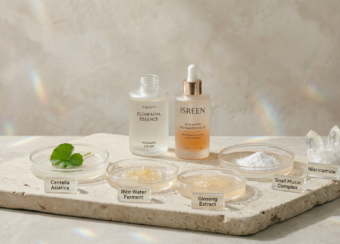
5. Botanical Extracts
Plant-based ingredients are gaining popularity due to their gentle and nourishing properties.
Examples include:
- Green tea extract
- Aloe vera
- Ginseng extract
The Role of Serums in Clean Skincare
In 2026, serums have become the core of minimalist and clean skincare routines. Instead of layering multiple products, consumers now prefer multi-benefit serums that deliver targeted results.
A well-formulated serum combines several clean ingredients into one product, reducing:
- Product overload
- Skin irritation
- Environmental waste
How Isreen Serum Aligns with Clean Skincare
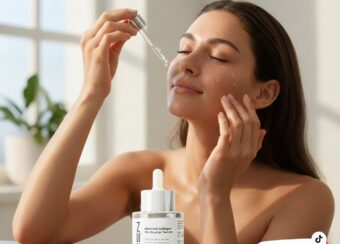
A great example of this approach is the Isreen Advanced Collagen Skin Booster Serum, designed to support skin health with a combination of hydrating and skin-repairing ingredients.
Its formulation focuses on ingredients like:
- Hyaluronic acid for hydration
- Niacinamide for skin balance
- Collagen support for elasticity
- Botanical extracts for nourishment
By combining multiple benefits into a single lightweight formula, it helps simplify skincare routines while supporting clean and conscious beauty practices.
This makes it easier for users to follow a “less but better” skincare approach, which is a key principle of sustainable beauty in 2026.
How to Build a Clean Skincare Routine in 2026
Switching to clean skincare doesn’t have to be complicated. A simple routine can be highly effective.
Step 1: Gentle Cleanser
Use a sulfate-free cleanser to remove dirt without stripping the skin.
Step 2: Treatment Serum
Apply a multi-benefit serum with clean ingredients.
Step 3: Moisturizer
Lock in hydration with a nourishing moisturizer.
Step 4: Sunscreen
Protect your skin from UV damage daily.
Final Thoughts
Clean skincare in 2026 is about making informed and conscious choices.
By avoiding harmful ingredients and choosing products with safe, effective, and sustainable formulations, you can improve your skin health while supporting a more responsible beauty industry.
The future of skincare is not about using more products—it’s about using the right ones.