Sustainable Skincare in 2026: What Conscious Consumers Need to Know
March 16, 2026 2026-03-16 14:54Sustainable Skincare in 2026: What Conscious Consumers Need to Know

Sustainable Skincare in 2026: What Conscious Consumers Need to Know
The beauty industry is undergoing a powerful transformation. In 2026, skincare is no longer only about achieving clear or glowing skin—it is also about protecting the environment, supporting ethical sourcing, and reducing waste.
Consumers today are more informed than ever. They want products that not only improve their skin but also align with their values. This shift has led to the rapid growth of sustainable skincare, a movement focused on clean ingredients, eco-friendly packaging, and responsible production.
For modern consumers, sustainability is not just a buzzword—it’s becoming a standard expectation in skincare.
In this guide, we will explore what sustainable skincare really means, why it matters, and how conscious consumers can make smarter skincare choices in 2026.
The Role of Targeted Serums in Sustainable Skincare
One of the most important shifts in sustainable skincare is the move toward multi-benefit serums that replace multiple products in a routine. Instead of using several creams, treatments, and boosters, many consumers now rely on high-performance serums that deliver hydration, repair, and skin-supporting nutrients in a single formula.
This approach not only simplifies skincare routines but also helps reduce product waste and excessive packaging, which aligns with the principles of sustainable beauty.
A well-formulated serum can deeply penetrate the skin and deliver active ingredients that support long-term skin health.
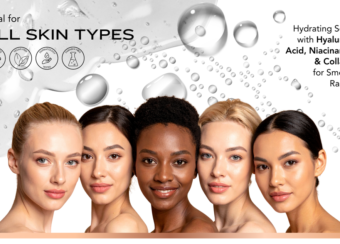
For example, advanced serums formulated with ingredients like collagen, hyaluronic acid, niacinamide, and vitamin C help improve hydration, strengthen the skin barrier, and promote a smoother complexion.
These ingredients work together to support:
- Skin hydration and moisture retention
- Improved elasticity and firmness
- Reduction in fine lines and dullness
- Stronger skin barrier protection
How Isreen Serum Supports a Conscious Skincare Routine
In the era of sustainable skincare, brands that combine science-backed ingredients with mindful formulations are gaining attention among conscious consumers.
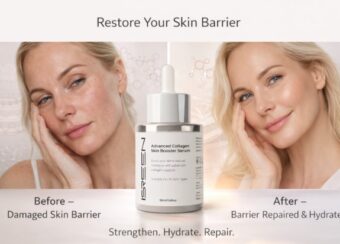
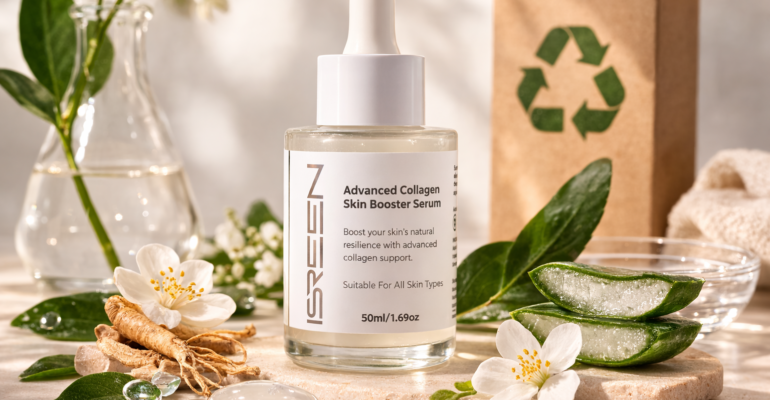
The Isreen Advanced Collagen Skin Booster Serum is designed to support healthier, more resilient skin through a blend of collagen-boosting and hydrating ingredients. Its formulation includes components such as collagen, hyaluronic acid, niacinamide, and ginseng extract, which work together to improve elasticity, hydration, and overall skin texture.
Collagen is an essential structural protein that helps maintain skin firmness and elasticity. As natural collagen production declines with age, skincare products that support collagen levels can help reduce the appearance of fine lines and improve skin resilience.
By combining hydration, antioxidant protection, and skin-repair support in a single lightweight formula, serums like Isreen’s help simplify routines while delivering targeted skincare benefits.
This aligns perfectly with the modern “less but better” skincare philosophy, where consumers prioritize effective, multi-functional products instead of complicated routines.
Why Serums Are Essential for Modern Minimalist Skincare
Minimalist skincare routines often include only three to five essential steps:
- Cleanser
- Treatment serum
- Moisturizer
- Sunscreen (daytime)
- Optional targeted treatments
Within this routine, the serum plays a central role because it contains concentrated ingredients designed to address multiple skin concerns at once.
Using a single high-quality serum can help:
- Reduce the need for multiple treatment products
- Minimize packaging waste
- Simplify daily skincare routines
- Deliver targeted skin-improving ingredients
For conscious consumers in 2026, this efficient approach to skincare supports both healthier skin and a more sustainable lifestyle.
A Smarter Approach to Sustainable Skincare
Sustainable beauty isn’t only about packaging—it’s also about choosing products that deliver more value with fewer steps.
Products like collagen-boosting serums allow consumers to build simple, effective skincare routines that focus on long-term skin health rather than excessive product layering.
By selecting well-formulated skincare products and avoiding unnecessary overconsumption, individuals can create routines that support both personal wellness and environmental responsibility.What Is Sustainable Skincare?
Sustainable skincare refers to beauty products designed to minimize environmental impact while supporting healthy skin. This approach focuses on every stage of the product lifecycle—from ingredient sourcing and manufacturing to packaging and disposal.
A truly sustainable skincare product typically includes:
- Clean and safe ingredients
- Responsible sourcing of raw materials
- Cruelty-free production
- Eco-friendly packaging
- Minimal environmental footprint
Unlike traditional beauty products, sustainable skincare is developed with a long-term perspective, ensuring that beauty practices do not harm ecosystems or future generations.
Why Sustainable Skincare Matters More Than Ever
The global beauty industry produces billions of packaging units each year, and a significant portion of this waste ends up in landfills or oceans.
Additionally, certain ingredients commonly used in conventional skincare can negatively impact marine life, soil health, and biodiversity.
Sustainable skincare helps address these issues by promoting:
Reduced Plastic Waste
Brands are shifting away from single-use plastics and adopting recyclable or refillable packaging solutions.
Cleaner Ingredients
Many sustainable products avoid harsh chemicals such as:
- Parabens
- Sulfates
- Phthalates
- Artificial dyes
These ingredients may not only irritate sensitive skin but also contribute to environmental pollution.
Ethical Supply Chains
Sustainable brands prioritize fair labor practices, responsible farming, and ethical ingredient harvesting.
Lower Carbon Footprints
Companies are increasingly focusing on reducing emissions during manufacturing and transportation.
By choosing sustainable skincare products, consumers can support brands that care about both skin health and environmental protection.
The Rise of Conscious Consumers in 2026
One of the biggest drivers behind sustainable beauty is the emergence of conscious consumers.
Modern shoppers are researching products before purchasing and asking important questions like:
- Where do the ingredients come from?
- Is the packaging recyclable?
- Is the product cruelty-free?
- Does the brand follow ethical practices?
Transparency has become a key factor in purchasing decisions.
Consumers are no longer satisfied with vague marketing claims. They want clear ingredient lists, ethical sourcing policies, and responsible packaging solutions.
As a result, skincare brands must now prioritize authentic sustainability efforts rather than marketing buzzwords.
Key Sustainable Skincare Trends in 2026
The sustainable beauty movement continues to evolve every year. In 2026, several important trends are shaping the future of skincare.
1. Clean and Transparent Ingredients
Consumers are becoming more aware of what they apply to their skin. Ingredient transparency has become a cornerstone of sustainable skincare.
Brands are now clearly labeling ingredients and avoiding potentially harmful chemicals.
Instead, many formulas focus on:
- Skin-supportive botanical extracts
- Hydrating compounds
- Antioxidant-rich ingredients
- Gentle active ingredients
Clean formulations are designed to nourish the skin while minimizing irritation and environmental impact.
Transparency builds trust and helps consumers make informed decisions about their skincare routines.
2. Eco-Friendly Packaging Innovations
Packaging is one of the biggest environmental challenges in the beauty industry.
To address this issue, many skincare brands are introducing innovative packaging solutions such as:
- Refillable containers
- Glass bottles instead of plastic
- Biodegradable materials
- Minimal packaging designs
These solutions significantly reduce waste while maintaining product quality.
Consumers are increasingly supporting brands that prioritize sustainable packaging practices.
3. Minimalist Skincare Routines
For years, social media promoted elaborate skincare routines featuring 10 or more products. However, many dermatologists now emphasize that a simpler routine can be more effective.
Minimalist skincare focuses on using fewer, higher-quality products that provide multiple benefits.
Benefits of minimalist routines include:
- Reduced product waste
- Lower environmental impact
- Better skin barrier protection
- Easier daily routines
Rather than layering numerous products, consumers are now prioritizing targeted, multi-benefit skincare solutions.
4. Multi-Functional Skincare Products
Another major trend in sustainable beauty is the rise of multi-functional skincare products.
Instead of purchasing multiple products for different concerns, consumers are choosing formulas that address several issues simultaneously.
For example, a high-quality serum may provide:
- Hydration
- Skin barrier support
- Brightening benefits
- Antioxidant protection
This approach simplifies skincare routines while reducing excess packaging and overconsumption.
5. Ethical Ingredient Sourcing
Responsible sourcing has become an essential part of sustainable beauty.
Ethical skincare brands ensure that ingredients are harvested in ways that:
- Protect ecosystems
- Support local farming communities
- Avoid exploitation of workers
- Preserve biodiversity
Consumers increasingly support brands that demonstrate fair trade practices and sustainable agriculture methods.
Ethical sourcing ensures that beauty products contribute to positive social and environmental impact.
How to Identify Truly Sustainable Skincare Products
With so many brands claiming to be eco-friendly, it can sometimes be difficult to distinguish genuine sustainability from marketing tactics.
Here are some signs that a skincare brand truly prioritizes sustainability.
Transparent Ingredient Lists
Brands should clearly disclose all ingredients used in their products.
Cruelty-Free Policies
Look for companies that do not test products on animals.
Responsible Packaging
Sustainable brands often use recyclable, refillable, or biodegradable packaging.
Minimal Product Formulations
Products that deliver multiple benefits with fewer ingredients often reduce waste and environmental impact.
Ethical Brand Values
Companies that openly discuss their sustainability initiatives are often more committed to responsible practices.
Being a conscious consumer means evaluating brands carefully before purchasing products.
Building a Sustainable Skincare Routine
Adopting sustainable skincare doesn’t require completely changing your routine overnight. Small adjustments can make a meaningful difference.
Here are some practical tips for creating a more sustainable skincare routine.
Simplify Your Routine
Focus on essential products that support your skin rather than accumulating unnecessary items.
Choose High-Quality Formulas
Investing in well-formulated products often reduces the need for multiple treatments.
Recycle Packaging
Whenever possible, recycle skincare packaging or choose brands with refillable options.
Avoid Overconsumption
Use products fully before purchasing new ones.
Support Ethical Brands
Choose companies that demonstrate transparency and sustainability commitments.
Even small changes can contribute to long-term environmental impact.
The Future of Sustainable Beauty
Sustainability will continue to shape the future of skincare innovation.
In the coming years, we can expect:
- Advanced biodegradable packaging technologies
- More transparent supply chains
- Carbon-neutral skincare brands
- Increased use of renewable ingredients
- AI-powered sustainable product development
Consumers will continue to demand greater accountability from beauty brands.
Companies that prioritize sustainability will not only benefit the environment but also build long-term trust with their customers.
Final Thoughts
Sustainable skincare in 2026 represents a shift toward mindful beauty practices.
Today’s consumers are choosing products that align with their values—prioritizing clean ingredients, ethical sourcing, and environmentally responsible packaging.
By supporting sustainable skincare brands and simplifying routines, individuals can make choices that benefit both their skin and the planet.
Beauty should not come at the expense of environmental health. Instead, it can become a powerful way to promote well-being, responsibility, and conscious living.
For those seeking effective skincare solutions designed with thoughtful formulation and modern skincare needs in mind, exploring carefully crafted products can help simplify routines while supporting healthier skin