Can Skincare Actually Restore Lost Collagen? What You Need to Know
August 10, 2026 2026-08-10 21:05Can Skincare Actually Restore Lost Collagen? What You Need to Know

Can Skincare Actually Restore Lost Collagen? What You Need to Know
Collagen is one of the most important proteins responsible for your skin’s firmness, elasticity, and overall structure. As we age, natural collagen production gradually declines, which can contribute to fine lines, wrinkles, sagging, and changes in skin texture.
That raises an important question: Can skincare actually restore lost collagen?
The short answer is: some skincare ingredients can support collagen production and help protect the collagen your skin still has, but no topical product can completely replace or restore all of the collagen lost with age.
The good news? A consistent skincare routine can make a meaningful difference in how your skin looks and feels.
What Is Collagen and Why Does Your Skin Need It?
Collagen is a structural protein found throughout the body. In skin, it forms part of the supportive framework that helps maintain firmness and elasticity.
When collagen levels are higher, skin tends to look:
- Firmer and more resilient
- Smoother
- More elastic
- Plumper
- Less visibly lined
Your body naturally produces collagen, but production slows over time. Environmental factors such as UV exposure, smoking, pollution, and oxidative stress can also contribute to collagen breakdown.
This is why collagen-focused skincare is often associated with anti-aging routines.
Does Your Skin Actually Lose Collagen?
Yes. Collagen production naturally decreases as we get older.
Beginning in adulthood, collagen synthesis gradually slows, while existing collagen can become more fragmented and less organized. Long-term sun exposure can accelerate collagen degradation through processes involving enzymes that break down the skin’s supportive structure.
This doesn’t mean your skin suddenly stops producing collagen. Rather, the balance between collagen production and breakdown changes over time.
Can Topical Skincare Restore Lost Collagen?
This is where skincare marketing can become confusing.
A topical collagen product doesn’t simply penetrate your skin and replace the collagen that has been lost. Collagen molecules are generally too large to penetrate deeply enough to rebuild the skin’s structural collagen network.
However, skincare can approach the problem in several different ways:
1. Supporting Your Skin’s Natural Collagen Production
Certain active ingredients have evidence for supporting collagen synthesis.
Retinoids, including retinol, are among the most studied topical ingredients for improving signs of photoaging. They can help support collagen production and improve the appearance of fine lines and skin texture over time.
Other ingredients, including vitamin C, can support normal collagen formation while also providing antioxidant benefits.
2. Protecting Existing Collagen
Prevention is just as important as stimulation.
UV radiation is one of the biggest environmental contributors to premature skin aging. Daily broad-spectrum sunscreen helps protect your skin from UV exposure that can contribute to collagen degradation.
Think of it this way:
Collagen support + collagen protection = smarter long-term skincare.
3. Improving Hydration and Skin Appearance
Ingredients such as hyaluronic acid can attract and hold water in the skin. This can temporarily make skin appear smoother, softer, and more plump.
Hydration doesn’t mean you’ve created new collagen, but well-hydrated skin can make fine lines look less noticeable and improve the overall appearance of the complexion.
What About Collagen Serums?
Collagen serums can still have a place in a skincare routine.
Topical collagen is generally more useful as a hydrating and conditioning ingredient than as a direct replacement for the collagen your skin has lost.
A well-formulated collagen serum may help skin feel:
- Softer
- More hydrated
- Smoother
- More comfortable
- More supple
For a collagen-focused routine, look beyond the word collagen on the bottle. Consider the complete formula and ingredients that complement your skin’s needs.
The Role of Hyaluronic Acid, Niacinamide and Vitamin C
A comprehensive skincare routine doesn’t need to rely on a single ingredient.
Hyaluronic Acid
Hyaluronic acid is a humectant that helps attract water to the skin. It can improve hydration and give skin a temporarily plumper appearance.
Niacinamide
Niacinamide, a form of vitamin B3, is a versatile ingredient that can support the skin barrier and improve the appearance of uneven tone and texture.
Vitamin C
Vitamin C is an antioxidant that helps protect skin from oxidative stress. It is also involved in normal collagen synthesis.
Collagen
Topical collagen is primarily valued for its moisturizing and skin-conditioning properties. It can complement a routine focused on maintaining a smoother, hydrated appearance.
Is Moisturizer Enough to Prevent Collagen Loss?
Moisturizer is important, but it isn’t the whole picture.
A moisturizer helps reduce water loss and supports comfortable, hydrated skin. However, if your goal is long-term skin aging prevention, your routine should also address UV protection and evidence-based active ingredients.
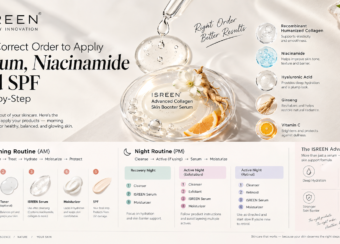
A simple routine could look like:
Morning
- Gentle cleanser
- Antioxidant serum such as vitamin C
- Hydrating serum
- Moisturizer
- Broad-spectrum SPF 30+ sunscreen
Night
- Gentle cleanser
- Treatment serum or retinoid, if appropriate for your skin
- Hydrating serum
- Moisturizer
You don’t need to use every active ingredient at once. Introducing too many products can irritate the skin and make your routine harder to maintain.
Can ISREEN Advanced Collagen Serum Support a Collagen-Focused Routine?
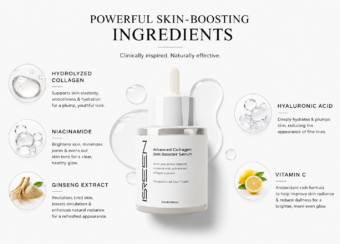
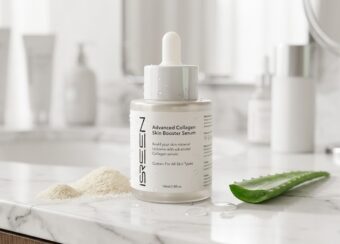
ISREEN Advanced Collagen Serum is formulated as a Korean skin booster featuring collagen, hyaluronic acid, niacinamide, vitamin C and ginseng.
The combination is designed around hydration, skin conditioning, and supporting a healthy-looking complexion.
Its role should be understood realistically: a topical serum cannot replace the structural collagen naturally found within your skin. Instead, a collagen-focused serum can complement a routine designed to hydrate, condition, and protect the skin.
For best results, pair a hydrating serum with moisturizer and consistent daily sunscreen.
How Long Does It Take to See Results?
Skincare doesn’t rebuild the appearance of youthful skin overnight.
Hydration can make skin feel softer and look more plump relatively quickly. However, improvements associated with collagen-supporting ingredients generally require consistent use over weeks to months.
Your results can also depend on:
- Age
- Skin type
- Sun exposure
- Existing skin damage
- Product formulation
- Consistency of use
- Overall skincare routine
The goal should be long-term skin maintenance rather than instant transformation.
Can You Completely Replace Lost Collagen With Skincare?
No.
Skincare can help support collagen production, protect against factors that accelerate collagen breakdown, improve hydration, and enhance the appearance of firmness and texture.
But topical skincare cannot completely restore all of the collagen lost through aging.
Professional treatments can have a more significant impact on collagen remodeling, but they should be discussed with a qualified dermatologist or skincare professional based on your individual skin concerns.
How to Protect Collagen Every Day
If maintaining collagen is your goal, prevention matters.
Wear Sunscreen Daily
UV exposure is a major contributor to premature skin aging. Make broad-spectrum sunscreen a daily habit, not something reserved for beach days.
Don’t Over-Exfoliate
Exfoliation can improve texture, but excessive exfoliation can irritate the skin barrier.
Keep Skin Hydrated
Use humectants, moisturizers, and gentle products that help maintain comfortable skin.
Use Antioxidants
Antioxidants such as vitamin C can help protect skin from oxidative stress caused by environmental factors.
Stay Consistent
A simple routine used consistently is usually more valuable than an elaborate routine that you only follow occasionally.
The Bottom Line
Can skincare restore lost collagen?
Not completely—but it can do more than simply moisturize.
Certain skincare ingredients can support your skin’s natural collagen production, while sunscreen and antioxidants can help protect against factors that contribute to collagen breakdown. Hydrating ingredients such as hyaluronic acid can also make skin appear smoother and more supple.
For a collagen-focused routine, think beyond one miracle ingredient. Protect, hydrate, support, and stay consistent.
A product such as ISREEN Advanced Collagen Serum, with collagen, hyaluronic acid, niacinamide, vitamin C, and ginseng, can fit into this type of routine as a hydrating and conditioning serum.
Healthy-looking skin isn’t about replacing every bit of collagen you’ve lost—it’s about taking consistent steps to support the skin you have.
Frequently Asked Questions
Can collagen serum rebuild collagen?
A topical collagen serum cannot directly replace the structural collagen lost within the deeper layers of skin. However, a well-formulated serum can hydrate and condition the skin, while other proven ingredients may support collagen-related processes.
What skincare ingredient is best for collagen?
Retinoids have some of the strongest evidence among topical skincare ingredients for addressing photoaging and supporting collagen-related changes. Vitamin C is also important for normal collagen synthesis and provides antioxidant protection.
Does hyaluronic acid increase collagen?
Hyaluronic acid primarily works as a humectant, helping the skin attract and retain water. It can improve hydration and the appearance of plumpness, but it should not be considered a direct replacement for collagen.
Does vitamin C help collagen?
Yes. Vitamin C is an essential cofactor in collagen synthesis and also functions as an antioxidant. A stable, well-formulated vitamin C product can be a useful part of an anti-aging skincare routine.
Does sunscreen protect collagen?
Yes. Consistent sun protection helps reduce UV-related damage that can contribute to collagen breakdown and premature skin aging.
Can collagen skincare reduce wrinkles?
Hydrating products can temporarily make fine lines appear less noticeable. Ingredients with stronger evidence for improving photoaging, such as retinoids, can provide more substantial improvements with consistent long-term use.
How can I maintain collagen as I age?
Use broad-spectrum sunscreen every day, avoid excessive sun exposure, maintain a gentle skincare routine, keep your skin hydrated, consider evidence-based ingredients such as retinoids and vitamin C, and maintain healthy lifestyle habits.