Skin Cycling: How to Rotate Actives Without Wrecking Your Barrier
September 13, 2026 2026-09-13 14:32Skin Cycling: How to Rotate Actives Without Wrecking Your Barrier


Skin Cycling: How to Rotate Actives Without Wrecking Your Barrier
If your skin feels tight, dry, irritated, or unusually sensitive, your routine may be doing too much.
Using several powerful skincare ingredients at once can make it difficult to know what is helping and what is causing irritation. This is where skin cycling comes in.
A skin cycling routine is a simple way to organize active ingredients across different nights while giving your skin time to recover. Instead of layering exfoliating acids, retinoids, and other treatments together, you rotate them and include recovery nights focused on hydration and barrier support.
The goal is not to use fewer effective ingredients forever. It is to use them more thoughtfully.
What Is Skin Cycling?
Skin cycling is a skincare routine that alternates active ingredients with recovery nights.
A classic four-night approach looks like this:
- Night 1: Exfoliation — Use a chemical exfoliant appropriate for your skin.
- Night 2: Retinoid — Use your retinoid or retinol as directed.
- Night 3: Recovery — Focus on hydration and moisturization.
- Night 4: Recovery — Continue with gentle, barrier-supportive skincare.
Then the cycle begins again.
The exact schedule does not need to be identical for everyone. Your skin type, the strength of your products, and your experience with active ingredients all matter.
The important idea is to avoid piling multiple potentially irritating treatments onto the same night.
Why Skin Cycling Can Help Your Skin
Active ingredients can be useful for concerns such as acne, uneven skin tone, texture, and visible signs of aging. But more is not always better.
The American Academy of Dermatology notes that using too many skincare products, particularly multiple anti-aging products, can irritate the skin. Overusing exfoliators can also damage the protective skin barrier.
Retinoids are a good example. They can provide significant benefits, but irritation is more likely when they are introduced too quickly or used too frequently. Dermatologists often recommend starting slowly and increasing frequency as your skin becomes accustomed to the ingredient.
Skin cycling creates a structure that can make an active-heavy routine easier to manage.
The Four Nights of a Basic Skin Cycling Routine
Night 1: Exfoliation
Start with an exfoliating ingredient such as an alpha hydroxy acid (AHA) or beta hydroxy acid (BHA), depending on your skin’s needs.
Chemical exfoliants can help remove dead skin cells and improve the appearance of texture. However, using them too frequently can contribute to dryness and irritation.
Keep this night simple:
Gentle cleanser → exfoliant → moisturizer
You do not need to add every serum in your cabinet.
If your skin is already irritated or sensitive, skip exfoliation and focus on recovery instead.
Night 2: Retinoid
The second night focuses on your retinoid or retinol.
Retinoids are among the better-studied skincare ingredients for concerns including acne, fine lines, wrinkles, and uneven skin tone.
If you are new to retinoids, starting slowly is important. Applying more product or using it more often does not necessarily mean faster results. Irritation can make the routine harder to maintain.
A simple routine can be:
Gentle cleanser → retinoid/retinol → moisturizer
If your skin tends to become dry or irritated, moisturizer can be particularly helpful.
Night 3: Recovery
Now comes the part that often gets overlooked: recovery.
There is no need to introduce another strong active. Instead, focus on keeping your skin comfortable and hydrated.
Look for products containing ingredients such as:
- Hyaluronic acid
- Glycerin
- Ceramides
- Niacinamide
- Squalane
- Other gentle moisturizing ingredients
Hyaluronic acid and ceramides, for example, are commonly used in skincare products designed to hydrate the skin and support the skin barrier.
Night 4: Recovery Again
Give your skin another quiet night.
Cleanse gently, hydrate, moisturize, and avoid the temptation to add another exfoliant or treatment simply because your skin feels fine.
Recovery nights are not “doing nothing.” They are an important part of creating a routine that your skin can tolerate consistently.
Where Does a Collagen Serum Fit Into Skin Cycling?
This is where a hydrating serum can easily become part of your recovery routine.
The ISREEN Advanced Collagen Skin Booster Serum combines Recombinant Humanized Collagen, Hyaluronic Acid, Niacinamide, Vitamin C, and Ginseng.
Its hydrating ingredients make it a natural option to consider on recovery-focused nights when your goal is to replenish moisture rather than add another exfoliating treatment.
A recovery-night routine could look like:
Gentle cleanser → ISREEN Advanced Collagen Skin Booster Serum → moisturizer
However, skincare compatibility depends on the complete formula and your individual skin. If your skin is particularly sensitive, introduce products gradually and pay attention to how your skin responds.
Also remember that a product containing vitamin C is not automatically a replacement for a dedicated sunscreen or other treatment. During the day, broad-spectrum sunscreen remains an important part of a skincare routine.
Can You Use Skin Cycling Every Week?
Yes, but your schedule does not have to follow a strict four-night pattern.
Some people may tolerate active ingredients more frequently, while others may need additional recovery days.
For example, a gentler schedule could look like:
Night 1: Exfoliation
Night 2: Recovery
Night 3: Retinoid
Night 4: Recovery
Night 5: Recovery
Night 6: Exfoliation
Night 7: Recovery
If your skin becomes persistently red, burning, peeling, excessively dry, or uncomfortable, your routine may be too aggressive.
The American Academy of Dermatology recommends adjusting skincare based on your individual skin needs and seeking professional guidance when you have ongoing skin concerns.
Who Should Try Skin Cycling?
Skin cycling may be useful if:
- You use several active ingredients.
- Your routine contains both exfoliating acids and retinoids.
- Your skin becomes dry or irritated easily.
- You are new to active skincare.
- You want a simpler routine.
- You have trouble deciding which actives to use together.
But skin cycling is not a medical treatment, and it is not necessary for everyone.
If you have a diagnosed skin condition, persistent irritation, or significant inflammation, speak with a board-certified dermatologist before changing your treatment routine.
What Should You Avoid During Recovery Nights?
Recovery nights should actually be recovery nights.
Try not to turn them into another active-treatment session by adding:
- Strong exfoliating acids
- Retinoids
- Harsh scrubs
- Multiple resurfacing products
- Products that repeatedly cause burning or irritation
The American Academy of Dermatology specifically warns that overusing exfoliating products can damage the skin barrier, while dermatologists recommend gentle skincare when skin is dry or irritated.
Don’t Forget Your Morning Routine
Skin cycling happens primarily at night, but your daytime routine still matters.
A simple morning routine can be:
Gentle cleanser → hydrating serum → moisturizer → broad-spectrum SPF 30+ sunscreen
Sunscreen is especially important when using ingredients that can increase skin sensitivity.
Think of your routine as a complete system rather than separate products competing for attention.
How to Build Your Own Skin Cycling Routine
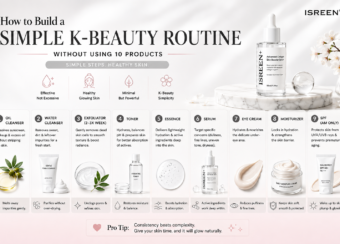
You do not need ten products to create a thoughtful routine.
Start with these steps:
1. Identify your strongest active ingredients
Look at your current products and identify whether you are using retinol, prescription retinoids, AHAs, BHAs, benzoyl peroxide, or other potentially irritating treatments.
2. Avoid stacking strong actives
If two products can both cause irritation, consider using them on separate nights rather than automatically applying them together.
3. Schedule recovery nights
Use your recovery nights for hydration, moisturizing, and barrier support.
4. Start slowly
If you are introducing a new active, do not immediately increase your frequency because you want faster results.
5. Pay attention to your skin
Your skin’s response is more important than following a viral routine perfectly.
If your skin feels comfortable and your routine is sustainable, you are on the right track.
Skin Cycling Is About Balance, Not Perfection
The best skincare routine is not necessarily the one with the most products.
It is the one you can use consistently without leaving your skin feeling constantly irritated.
Skin cycling gives active ingredients their own space while creating intentional recovery periods between them. For some people, that structure can make an otherwise complicated routine much easier to manage.
Instead of asking, “What else can I add?”
Try asking:
“Does my skin need another active tonight, or does it need recovery?”
Sometimes, giving your skin a break is exactly what your routine needs.
Frequently Asked Questions
Is skin cycling good for beginners?
It can be a useful framework for beginners who are learning how to introduce active ingredients. However, beginners do not need to start with multiple actives. A gentle cleanser, moisturizer, and sunscreen can form the foundation of a skincare routine before adding targeted treatments.
Can I use hyaluronic acid during skin cycling?
Yes. Hyaluronic acid is primarily a hydrating ingredient and can be used during recovery nights. Applying a moisturizer afterward can help support hydration.
Can I use niacinamide during skin cycling?
Niacinamide is generally considered a versatile skincare ingredient and can fit into many routines. However, product formulas vary, so pay attention to how your individual skin responds.
Can I use collagen serum on recovery nights?
A hydrating collagen serum can be incorporated into a recovery-night routine. ISREEN Advanced Collagen Skin Booster Serum contains Recombinant Humanized Collagen, Hyaluronic Acid, Niacinamide, Vitamin C, and Ginseng and can be considered as part of a hydration-focused routine.
Can I use retinol and exfoliating acids on the same night?
It depends on your skin and the specific products, but combining potentially irritating actives can increase the chance of dryness and irritation. Separating them across different nights is one reason people use skin cycling.
How long does it take to see results from skin cycling?
There is no universal timeline. Results depend on the active ingredients you use, your skin concerns, product strength, and how consistently you follow your routine. The goal should be a routine your skin can tolerate consistently rather than trying to accelerate results by using more products.
What if my skin becomes irritated while skin cycling?
Stop or reduce the irritating active and return to a gentle cleanser, moisturizer, and sunscreen until your skin feels comfortable again. If irritation persists or becomes severe, consult a dermatologist.