Why Is My Skin Still Dry After Moisturizer? 7 Causes
August 5, 2026 2026-08-05 18:57Why Is My Skin Still Dry After Moisturizer? 7 Causes

Why Is My Skin Still Dry After Moisturizer? 7 Causes
You apply moisturizer every day, yet your skin still feels tight, rough, flaky, or uncomfortable. Sound familiar?
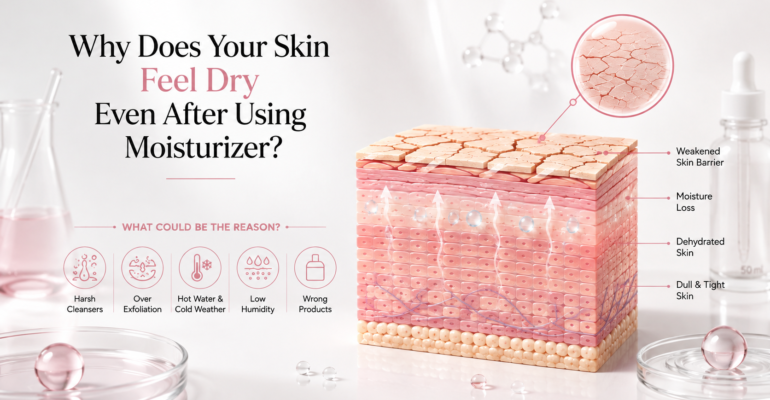
If your skin feels dry even after moisturizing, the problem may not be that you need more moisturizer. Your cleansing habits, skincare ingredients, environment, or even the way you apply your products could be affecting your skin’s ability to stay hydrated.
Healthy-looking skin needs more than a single moisturizing step. It needs hydration, barrier support, and consistent care.
Here are 7 common reasons your skin may still feel dry after using moisturizer—and what you can do about them.
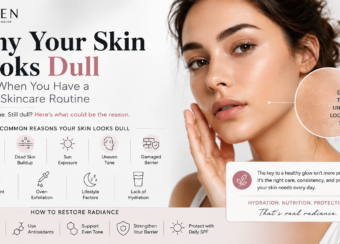
1. Your Skin May Be Dehydrated, Not Just Dry
“Dry skin” and “dehydrated skin” aren’t exactly the same.
Dry skin generally refers to a skin type that lacks sufficient oil. Dehydrated skin refers to a lack of water in the skin and can happen to almost any skin type, including oily or combination skin.
Dehydrated skin may feel:
- Tight after cleansing
- Rough or dull
- Less plump
- More noticeable around fine lines
- Uncomfortable throughout the day
A moisturizer can help, but adding a hydrating serum underneath may provide an additional layer of hydration.
Look for ingredients such as hyaluronic acid, glycerin, and other humectants that help attract water to the skin.
2. Your Cleanser May Be Too Harsh
Your moisturizer can’t fully compensate for a cleanser that repeatedly leaves your skin feeling stripped.
Very hot water, aggressive cleansing, or products that don’t suit your skin can contribute to dryness and discomfort.
Try switching to a gentle cleanser and avoid washing your face with very hot water.
A good rule: after cleansing, your skin should feel clean and comfortable—not tight and squeaky.
3. You’re Applying Moisturizer at the Wrong Time
Timing matters.
Applying moisturizer while your skin is slightly damp can help support hydration by reducing water loss from the skin’s surface.
After cleansing:
Cleanse → Hydrating Serum → Moisturizer
Don’t wait too long between cleansing and moisturizing if your skin tends to become tight quickly.
4. Your Moisturizer May Not Match Your Skin’s Needs
Not every moisturizer works equally well for every person.
If your skin is very dry, a lightweight gel moisturizer may not provide enough richness. If your skin is oily or acne-prone, an extremely heavy cream may feel uncomfortable.
Consider what your skin needs:
Dry skin: Look for richer creams containing emollients and occlusive ingredients.
Combination skin: Use hydration-focused products and adjust the amount according to different areas of your face.
Oily but dehydrated skin: Choose lightweight, water-based hydration rather than simply adding heavier oils.
The goal is to find a formula that provides hydration and helps support your skin barrier without feeling overly heavy.
5. Over-Exfoliation Could Be Damaging Your Skin Barrier
Exfoliation can help improve the appearance of dull, rough skin, but more isn’t always better.
Using exfoliating acids, scrubs, or other active ingredients too frequently may contribute to irritation and dryness.
If your skin is:
- Burning
- Stinging
- Flaking
- Red
- Extremely tight
take a closer look at how often you’re exfoliating and using other active ingredients.
Consider simplifying your routine temporarily:
Gentle cleanser → Hydrating serum → Moisturizer → Sunscreen
Once your skin feels comfortable again, gradually reintroduce active products as needed.
6. Your Environment May Be Drying Out Your Skin
Sometimes the culprit isn’t your skincare routine at all.
Cold weather, low humidity, indoor heating, air conditioning, and prolonged exposure to dry environments can contribute to moisture loss.
During colder or drier months, you may benefit from:
- Using a humidifier
- Taking shorter, lukewarm showers
- Applying moisturizer consistently
- Choosing a richer moisturizer when needed
- Avoiding unnecessarily harsh cleansing
Your skin’s needs can change with the seasons, so your routine may need to change too.
7. You’re Missing Daily Sun Protection
Sun exposure doesn’t just contribute to premature skin aging. Excessive UV exposure can also affect the skin’s overall condition and contribute to dryness and irritation.
A complete morning routine should include broad-spectrum sunscreen with SPF 30 or higher.
Try:
Cleanser → Hydrating Serum → Moisturizer → Sunscreen
Think of sunscreen as an essential part of your daily skincare routine—not an optional extra.
How to Keep Your Skin Hydrated All Day
If your skin continues to feel dry, focus on the basics before adding more products.
Keep Your Routine Simple
You don’t need ten different products to maintain healthy-looking skin.
A straightforward routine can be:
Morning
- Gentle cleanser
- Hydrating serum
- Moisturizer
- Broad-spectrum SPF 30+
Evening
- Gentle cleanser
- Hydrating/collagen serum
- Moisturizer
Consistency matters more than constantly changing products.
Don’t Forget Hydration-Focused Ingredients
If your moisturizer isn’t enough on its own, consider layering it over a lightweight serum.
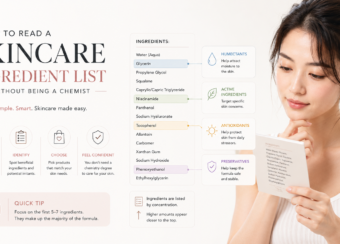
Ingredients commonly used in hydration-focused skincare include:
Hyaluronic Acid
Helps attract and retain water, making it a popular ingredient for dehydrated-looking skin.
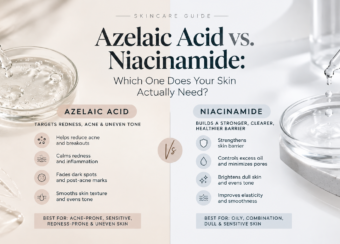
Niacinamide
Often used to support the skin barrier and improve the appearance of uneven tone and texture.
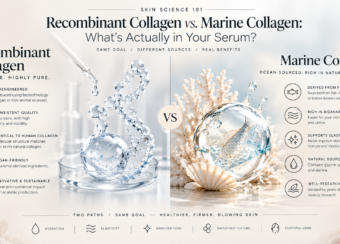
Collagen
Topical collagen-containing products can help condition and hydrate the skin’s surface, contributing to a smoother, more supple appearance.
Glycerin
A well-established humectant that helps attract water to the outer layers of the skin.
Where Does ISREEN Advanced Collagen Skin Booster Serum Fit In?
If your routine needs an additional hydration-focused step, ISREEN Advanced Collagen Skin Booster Serum can be incorporated after cleansing and before moisturizer.
The formula combines collagen, hyaluronic acid, niacinamide, vitamin C, and ginseng to support a hydrated, smooth, and healthy-looking complexion.
A simple routine could look like:
Cleanse → ISREEN Advanced Collagen Skin Booster Serum → Moisturizer → SPF in the morning
Using a serum underneath moisturizer can help create a layered approach to hydration rather than relying on moisturizer alone.
When Should You See a Dermatologist?
Occasional dryness is common, but persistent or severe dryness deserves attention.
Consider speaking with a dermatologist if your skin remains extremely dry despite changing your routine, or if you experience persistent redness, cracking, bleeding, significant itching, pain, or recurring irritation.
Sometimes ongoing dryness can be related to an underlying skin condition or another factor that requires professional evaluation.
Final Thoughts
If your skin feels dry even after moisturizer, don’t automatically assume you need a thicker cream.
The real issue could be dehydration, harsh cleansing, over-exfoliation, environmental conditions, incorrect product layering, or an unsupported skin barrier.
Start by simplifying your routine, adding hydration where needed, moisturizing slightly damp skin, and protecting your skin from UV exposure every day.
And remember: healthy-looking skin isn’t about using more products—it’s about using the right products consistently.
FAQs
1. Why is my skin still dry after using moisturizer?
Your skin may be dehydrated, your moisturizer may not suit your needs, or factors such as harsh cleansing, over-exfoliation, weather, and low humidity may be contributing to dryness.
2. Should I apply serum before or after moisturizer?
Generally, apply a lightweight serum before moisturizer. This allows you to layer hydration underneath a product designed to help maintain moisture.
3. Can hyaluronic acid help dry skin?
Hyaluronic acid is a humectant that attracts water and is commonly used in skincare formulated for dehydrated or dry-feeling skin.
4. Can I use collagen serum every day?
Many collagen serums are designed for daily use. Follow the specific product directions and adjust frequency if your skin becomes irritated.
5. Is oily skin able to be dehydrated?
Yes. Oily skin can still lack sufficient water. Dehydration and oiliness are different concerns.
6. Can over-exfoliating cause dry skin?
Yes. Excessive exfoliation may contribute to irritation, dryness, and discomfort. If your skin feels tight, stings, or flakes, consider reducing exfoliation.
7. How can I prevent dry skin in winter?
Use a gentle cleanser, moisturize consistently, avoid very hot water, consider a humidifier, and adjust your moisturizer if your skin needs additional richness.