Why Your Skincare Stops Feeling Effective After a Few Months
August 21, 2026 2026-08-21 16:25Why Your Skincare Stops Feeling Effective After a Few Months


Why Your Skincare Stops Feeling Effective After a Few Months
You finally find a skincare routine that works. Your skin looks smoother, feels more hydrated, and has that healthy glow you were hoping for.
Then, a few months later, you look in the mirror and think: “Why doesn’t my skincare seem to be working anymore?”
Before replacing every product in your cabinet, take a step back.
In many cases, your skincare has not suddenly become useless. Your skin, routine, expectations, environment, and application habits may have changed. Dermatologists also note that many skincare products need several weeks—and sometimes up to a few months—to show their full effects.
Here’s why your routine may feel less effective and what you can do about it.
1. Your Skin’s Needs Can Change
Your skin is not exactly the same throughout the year.
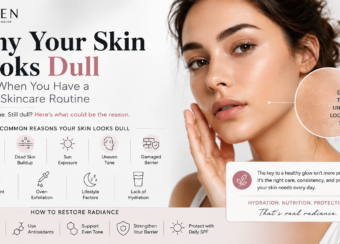
Weather, humidity, sun exposure, stress, age, hormonal changes, and lifestyle can affect how your skin looks and feels. A moisturizer that feels perfect during a humid summer may not be enough during a dry winter.
The American Academy of Dermatology recommends choosing skincare products according to your current skin needs and skin type rather than following a routine simply because it worked previously.
For example, your skin may shift from:
- Comfortable → dry and tight
- Balanced → more oily
- Smooth → rough or textured
- Hydrated → dehydrated
- Calm → more sensitive
The solution isn’t always more products. Sometimes your routine simply needs a small adjustment.
2. You May Expect Results to Keep Increasing
One of the biggest skincare misunderstandings is expecting visible improvement to continue forever.
Think about a moisturizer. When your skin is dry, increasing hydration can make a noticeable difference. Once your skin is consistently moisturized, the improvement may become less dramatic because you’ve already addressed the original problem.
The same principle applies to many skincare products: the first visible improvements can feel impressive, while later changes may be more subtle.
The AAD notes that moisturizers can make fine lines appear temporarily plumper within days, while many other skincare products require at least six weeks and sometimes as long as three months to show noticeable results.
Less dramatic results don’t automatically mean the product has stopped working.
3. You’re Using Too Many Active Ingredients
Sometimes the problem isn’t that you’re using too little skincare.
It’s that you’re using too much.
Adding multiple exfoliants, retinoids, acids, serums, and other active products can irritate your skin. The AAD specifically advises introducing one anti-aging product at a time because using several products simultaneously can increase irritation.
Overdoing active ingredients can leave skin feeling:
- Tight
- Dry
- Red
- Sensitive
- Rough
- Uncomfortable after application
Ironically, this can make your skin appear less healthy even though you’ve added more “powerful” products.
A simpler routine can sometimes perform better than a crowded one.
4. More Product Doesn’t Mean Better Results
It’s tempting to think that applying extra serum will make it work faster.
It doesn’t necessarily work that way.
Dermatologists recommend following the directions for active skincare products. Using more than instructed can contribute to unwanted effects such as excessive dryness, irritation, blotchiness, or clogged pores.
Your skincare routine should be based on consistency and correct use, not maximum product volume.
A few well-chosen products used regularly can make more sense than constantly adding new ones.
5. Your Environment May Be Working Against Your Routine
Your skincare doesn’t exist in a bubble.
Daily UV exposure, seasonal weather, indoor heating, air conditioning, humidity, and environmental conditions can all influence how your skin behaves.
For example, during colder months, dry air can make skin feel tighter and more uncomfortable. During hot weather, sweat and increased oil production can change how products feel on the skin.
That’s why your routine may need seasonal adjustments without needing a complete makeover.
A good approach is to keep your basic routine consistent while adapting individual products to your skin’s changing needs.
6. You’re Not Giving Products Enough Time
Skincare is a long game.
One of the easiest mistakes is changing products too quickly because you don’t see instant results.
The AAD advises giving many skincare products at least six weeks to work, with some requiring up to three months for noticeable results.
Constantly switching between products also makes it difficult to determine what is actually helping your skin.
Instead of asking:
“What new product should I buy?”
Try asking:
“Have I used my current routine consistently enough to evaluate it?”
7. Your Application Habits May Have Changed
Sometimes the product hasn’t changed—you have.
Maybe you’re applying less often. Maybe you’ve stopped moisturizing regularly. Maybe you’re skipping sunscreen. Maybe you’re layering products differently.
Small changes in your routine can affect your results.
The AAD recommends consistent daily sun protection, including broad-spectrum SPF 30 or higher, as part of an effective skincare routine.
Your skincare routine works best when the fundamentals stay consistent.
8. Your Skin May Be Irritated, Not “Unresponsive”
If your skincare suddenly starts stinging, burning, or making your skin unusually dry, don’t assume you need something stronger.
You may need something gentler.
The AAD advises stopping products that sting or burn unless they have been specifically prescribed and are being used under medical guidance. Irritated skin can also make visible signs of aging appear more noticeable.
If you notice persistent redness, swelling, itching, burning, or other unusual reactions, consider speaking with a dermatologist.
9. Your Skincare May Be Working Better Than You Realize
Here’s an important question:
What exactly were you expecting the product to do?
Skincare can improve the appearance and feel of skin, but it isn’t a magic eraser.
For example, a hydrating product may help skin feel softer and look more plump. It doesn’t mean every visible line, pore, dark spot, or texture concern will disappear.
The U.S. FDA also makes an important distinction between cosmetic claims and drug claims. Products marketed as cosmetics cannot simply make drug-type claims about treating disease or affecting the structure or function of the body without meeting applicable drug requirements.
That is one reason realistic expectations matter when evaluating skincare.
10. Your Routine May Simply Need a Reset
Before buying five new products, try a routine reset.
Go back to the basics:
Cleanse → Treat → Moisturize → Protect
Choose products that match your current skin needs. Introduce changes gradually. Avoid piling several new active ingredients onto your routine at the same time.
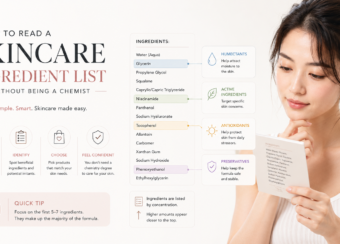
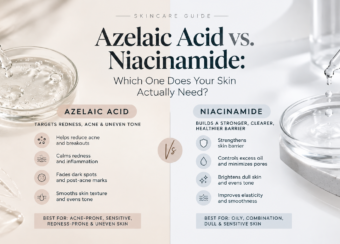
For hydration-focused routines, ingredients such as Hyaluronic Acid can support moisture, while ingredients such as Niacinamide are commonly used in skincare formulations for multiple appearance-related concerns.
A lightweight serum can fit into this routine when your skin needs an additional targeted step without turning your regimen into a complicated 10-product system.
Where Does a Collagen Serum Fit In?
A collagen-focused serum can be used as the treatment step in a simple routine.
For example:
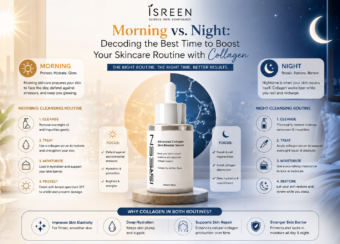
Morning:
Cleanser → Hydrating step → Collagen serum → Moisturizer → SPF
Evening:
Cleanser → Hydrating step → Collagen serum → Moisturizer
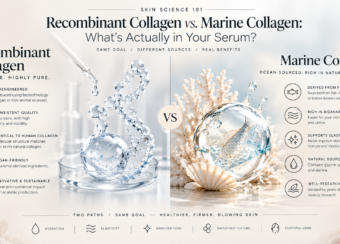
ISREEN Advanced Collagen Serum combines Recombinant Humanized Collagen, Hyaluronic Acid, Niacinamide, Vitamin C, and Ginseng in a Korean skin-booster formula.
The goal isn’t to use more products simply because they’re available. It’s to choose products that complement your routine and use them consistently.
When Should You Change Your Skincare Products?
Don’t replace a product simply because you’ve been using it for a few months.
Consider making a change when:
- Your skin’s needs have clearly changed.
- The product consistently irritates your skin.
- Your routine no longer addresses your main concern.
- A dermatologist recommends a different approach.
- You’re not seeing the expected benefit after giving the product enough time and using it correctly.
A skincare routine should evolve when your skin needs it—not just because a new product is trending on TikTok.
The Bottom Line
Your skincare probably didn’t “stop working.”
More often, one of five things is happening: your skin’s needs changed, your expectations changed, your environment changed, your routine became inconsistent, or you’ve been using too many active ingredients.
Before replacing everything, simplify.
Give products enough time. Follow directions. Protect your skin from the sun. Pay attention to irritation. Most importantly, focus on what your skin actually needs today.
Great skincare isn’t about having the biggest collection. It’s about having the right routine and sticking with it.
Frequently Asked Questions
How long should I use a skincare product before deciding it doesn’t work?
Many skincare products need at least six weeks to show noticeable results, while some may take up to three months.
Can skin get used to a skincare product?
Skin doesn’t necessarily become “immune” to a cosmetic product. A change in results may instead reflect changing skin needs, expectations, environmental conditions, or irritation from the overall routine.
Should I use more serum if I’m not seeing results?
No. Using more than directed can increase the risk of irritation and other unwanted effects. Follow the product instructions.
How many skincare products do I really need?
There is no universal number. A simple routine built around cleansing, treatment, moisturizing, and daily sun protection can be a practical starting point. The best products depend on your skin’s needs.
When should I see a dermatologist?
Consider seeing a board-certified dermatologist when persistent irritation, unusual skin changes, or concerns continue despite adjusting your routine.